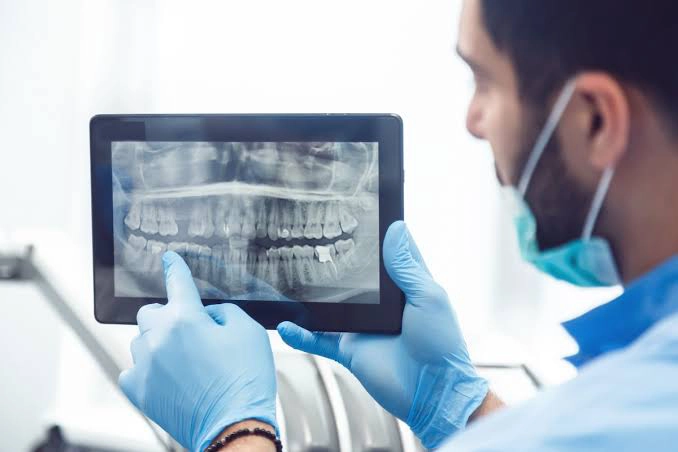


How Does Periodontitis Affect the Possibility of Dental Implants?
Periodontitis causes gum recession and bone resorption (loss). For a dental implant, stable and healthy bone is essential to hold it firmly. If an infection is present at the time of placement, the risk of implant failure is high.
Is It Possible to Place Implants in Patients with Periodontitis?
It is possible, but only if the disease is completely under control. This means:
- Professional removal of tartar and plaque
- Treatment of periodontal pockets
- Surgical interventions if necessary (bone augmentation, gum grafts)
- Establishing proper oral hygiene
Why Treat Periodontitis First?
Placing an implant in an oral cavity with an active infection can lead to:
- Peri-implantitis (inflammation around the implant)
- Implant rejection
- Poor osseointegration (bonding of implant to bone)
Therefore, thorough treatment of the gums and bone is mandatory before any implantology procedure.
How Long Is the Preparation Before Implant Placement?
- Milder cases: several weeks of treatment and check-ups
- Severe cases: several months, especially if bone augmentation is required
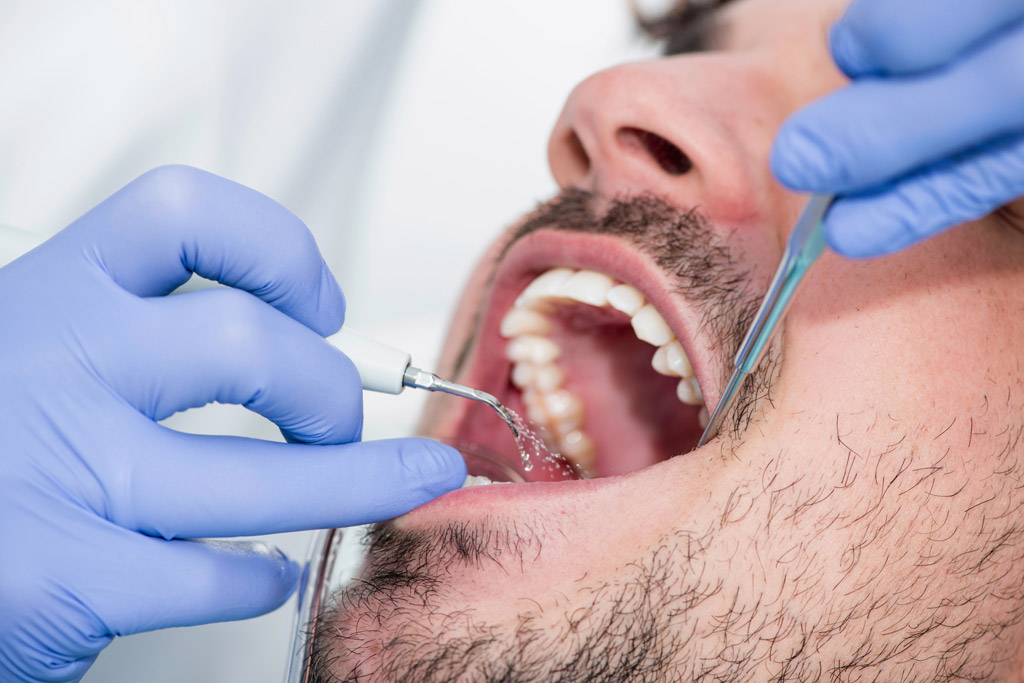
How to Maintain Implants in Patients with a History of Periodontitis?
- Regular check-ups 2–4 times a year
- Professional cleaning of implants
- Using interdental brushes and an oral irrigator
- Monitoring bone condition with X-rays
Conclusion
Patients who have had periodontitis can have long-lasting and functional implants, provided the disease is first brought under control and impeccable oral hygiene is maintained. Proper planning, expert placement, and regular check-ups are key to success.